


Starting an import export business is no longer about choosing the cheapest country or the one with the lowest taxes. In 2026, founders are looking for speed, access, stability, and scalability. The real question has shifted from “where can I register a company?” to “where can I operate globally with the least friction?”
Across Asia, Europe, and the Middle East, several countries compete for this title. But one location consistently stands out when you compare logistics, regulations, taxation, banking, and growth potential.
That place is Dubai.
This guide explains:
Before comparing countries, it’s important to understand what actually matters in modern import export operations.
A strong import export hub must offer:
Many countries meet some of these conditions. Very few meet all.
Singapore is efficient and well-regulated, but setup and operating costs are high. Warehousing and labour are expensive, and margins can shrink quickly for small and mid-size traders.
Hong Kong was once Asia’s trade capital, but regulatory uncertainty and geopolitical pressure have made many traders cautious about long-term stability.
Europe’s logistics gateway with strong infrastructure, but EU compliance, VAT complexity, and higher taxation make it less flexible for global traders.
Massive market, but heavy licensing, banking scrutiny, customs complexity, and federal plus state taxes create friction for cross-border trading businesses.
Dubai combines the operational advantages of all the above locations without most of their drawbacks.
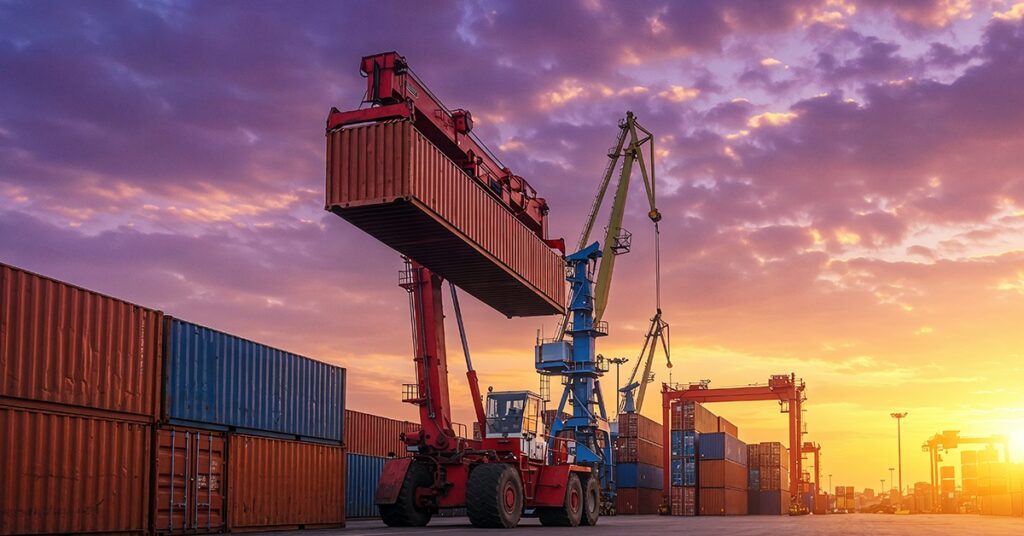
Dubai sits between Asia, Europe, and Africa, allowing traders to serve multiple continents from one base. Flights reach major markets within 8 hours, and shipping routes connect East and West seamlessly.
Dubai is home to:
This allows faster customs clearance, efficient storage, and lower transit time.
Dubai’s free zones are designed specifically for import export and commodity trading. Businesses benefit from:
The UAE offers:
For traders working on margins, this directly improves profitability.
The UAE dirham is pegged to the US dollar, reducing currency volatility. Dubai offers access to international banks familiar with trading businesses, especially when companies are structured correctly.
Dubai has built a reputation for predictable regulation. Policies are announced clearly, transitions are gradual, and business owners are given time to adapt.
Starting a trading business in Dubai is not just about getting a license. The real success comes from choosing the right structure.
Key decisions include:
This is where experienced guidance matters. A poorly structured setup can lead to banking delays or compliance issues later.
In 2026, import export businesses are affected by:
Dubai is actively investing in:
Instead of reacting to global trade changes, Dubai is designing for them.
Dubai’s growth is not limited to traditional trading. Several sectors are expected to expand alongside import export activity.
Dubai is becoming a fulfilment base for sellers targeting GCC, Africa, and South Asia.
Food items, construction materials, electronics, and FMCG products continue to dominate import export demand.
Eco-friendly products, recycled materials, and sustainable packaging businesses are gaining traction, supported by UAE sustainability initiatives.
As trade volume increases, demand for logistics support services grows alongside it.
Compliance, consulting, accounting, and corporate services businesses are expanding to support international traders operating from Dubai.
Entrepreneurs choose Dubai because it offers:
Dubai is not just a place to register a company. It is a place to operate globally.
At PRO Smart Business Services LLC, we help entrepreneurs and traders:
Our approach focuses on practical execution, not just registration.
Choosing the right free zone is one of the most important decisions when starting an import export business in Dubai. Each free zone is designed for a slightly different trading model, scale, and logistics requirement.
Here are the most practical and widely used free zones for import export businesses in 2026.
DMCC is one of the most trusted and internationally recognised free zones in Dubai. It is especially popular for general trading, commodity trading, and global import export businesses.
Best suited for:
Why traders choose DMCC:
JAFZA is ideal for large-scale import export operations that rely heavily on shipping, storage, and logistics. It is directly connected to Jebel Ali Port, one of the busiest ports in the world.
Best suited for:
Why traders choose JAFZA:
Dubai South is strategically located near Al Maktoum International Airport and is ideal for businesses relying on air cargo and fast international movement of goods.
Best suited for:
Why traders choose Dubai South:
The cost of setting up an import export business in Dubai depends on the free zone, license type, and office requirements. However, Dubai remains one of the most cost-effective global trading hubs when compared to Europe, Singapore, or the US.
For most import export businesses, the starting cost generally falls between:
AED 15,000 to AED 35,000
This usually includes:
Costs may increase if you require:
Despite this, Dubai’s cost-to-benefit ratio remains extremely strong due to its tax efficiency, infrastructure, and ease of scaling.
If you are asking “where should I start my import export business in 2026?” the answer is no longer just about cost. It’s about access, control, and future readiness.
Dubai offers all three.
With the right setup and guidance, Dubai can become your global trading headquarters, serving multiple markets from one strategic base.If you’re planning to start or expand an import export business, PRO Smart Business Services LLC can help you structure it the right way from day one.