

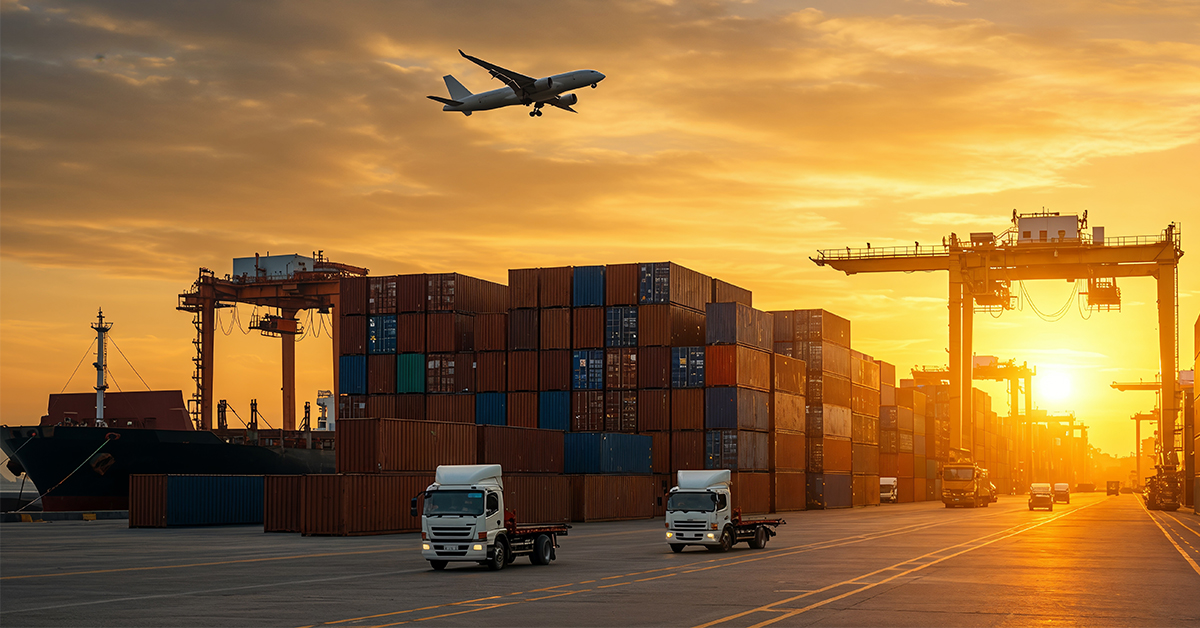
What if the next decade of your business success began with a single decision made today in Dubai?
While most entrepreneurs chase opportunities in saturated Western markets, a transformation is happening in the Emirates. Dubai isn’t just welcoming businesses-it’s engineering an ecosystem where specific industries can achieve 10-year growth in just 3-5 years. The question isn’t whether Dubai offers business opportunities. It’s whether you’re positioned in the right sector at the right time.
The data tells a compelling story: Dubai’s economy is forecast to grow at 5.1% in 2026, foreign direct investment in technology surged by 30% in the past year, and the UAE now hosts over 550 cryptocurrency firms. These aren’t vanity metrics-they’re signals of structural transformation.
This analysis examines ten business opportunities in Dubai that aren’t just trending but fundamentally reshaping how the Emirates generates wealth.
The Strategic Context: Why Dubai’s Business Landscape Has Changed
Understanding business opportunities in Dubai requires acknowledging a pivotal shift. The emirate has moved beyond being simply “tax-friendly” or “strategically located.” Full foreign ownership across most sectors is now standard practice. Dubai’s digital infrastructure has reached a threshold where businesses can launch entirely online, from company registration to visa processing, often within 48 hours. Most critically, Dubai has made decisive bets on specific future industries, backing these commitments with billions in capital and favorable regulation.
1. Import & Export: Dubai’s Foundational Advantage
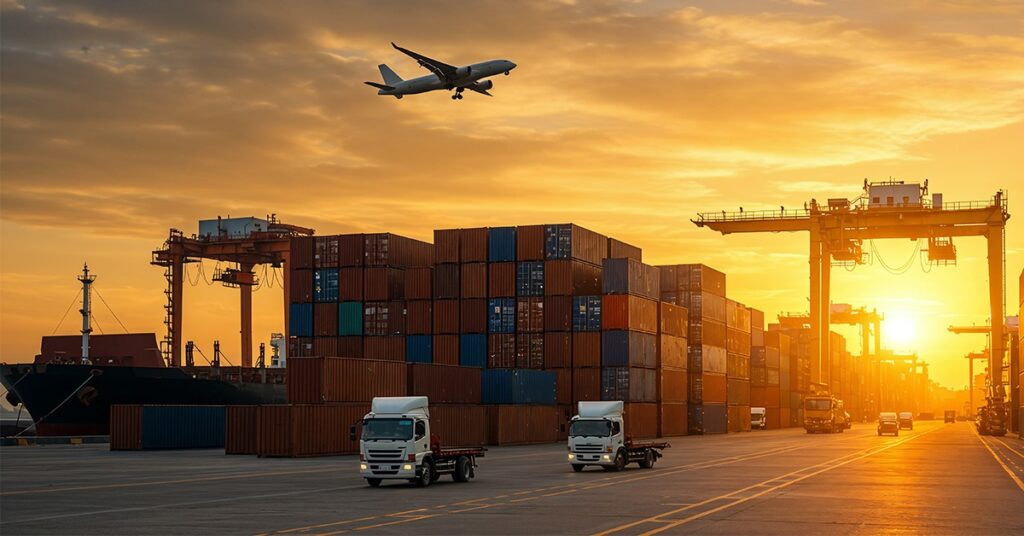
Dubai’s geography has always made import-export attractive, but recent infrastructure developments have transformed this from advantage to dominance. The emirate processes 15% of global gold trade and serves as the natural gateway between Asian manufacturing, European consumption, and African emerging markets.
Setting up in free zones like Jebel Ali (JAFZA), Dubai South, or specialized zones grants immediate access to advanced logistics infrastructure and streamlined customs processes. The digitalization of trade documentation and blockchain integration for supply chain verification mean smaller operators can now compete with established trading houses.
For entrepreneurs, the opportunity lies in specialized niches-sustainable products, tech components, or regionalized consumer goods where Dubai’s connectivity becomes a structural advantage.
Market validation: International trading businesses in Dubai free zones report 15-20% shorter delivery times to Middle Eastern and African markets.

2. Cryptocurrency & Blockchain: Regulatory Clarity as Competitive Advantage
While other financial centers hesitated, Dubai made a calculated bet. The establishment of the Dubai Virtual Asset Regulatory Authority (VARA) created something rare in crypto: regulatory certainty.
Over 550 crypto firms have established operations, with construction underway on dedicated blockchain infrastructure. In 2024, Dubai’s Court of First Instance recognized cryptocurrency payments under employment contracts, signaling institutional acceptance.
The business opportunity extends beyond trading platforms. Blockchain development for supply chain management, tokenization of traditional assets, and crypto payment integration all represent high-growth niches. Free zones like Dubai Multi Commodities Centre (DMCC), International Free Zone Authority (IFZA), and Dubai Silicon Oasis cater to these businesses with specialized licensing.
Strategic insight: Companies seeking to bridge traditional finance and digital assets find Dubai uniquely positioned.
3. Artificial Intelligence: Government Commitment Beyond Rhetoric
In 2017, the UAE appointed the world’s first Minister of State for AI. The government’s target-positioning the UAE as the most advanced AI-driven economy by 2031-is backed by procurement preferences, fast-track licensing, and direct investment.
The AI workforce quadrupled from 30,000 to 120,000 between 2021 and 2023. The Dubai AI Seal program offers companies meeting quality standards preferential access to government contracts.
For entrepreneurs, the opportunity is in application-layer AI. Dubai’s 280 government and private services accessible through the DubaiNow app demonstrate user comfort with AI interfaces. Healthcare diagnostics, logistics optimization, financial advisory, and government service automation all represent deployable opportunities.
Free zones like Dubai Science Park, Dubai Internet City, and DMCC’s AI Centre provide infrastructure tailored for AI businesses.

4. Gaming & Esports: Capturing a $493M Market
Nine out of ten adults in the UAE play video games, and the market is projected to reach $492.90 million by 2027, growing at 5.06% annually. These aren’t hypothetical projections; they reflect current behavior.
Game localization for Arabic-speaking markets, esports team management, tournament organization, streaming platform development, and gaming cafe networks all represent viable business angles. Dubai’s young, affluent population creates conditions where gaming businesses can achieve profitability faster than in price-sensitive markets.
Dubai Media City, Meydan Free Zone, and specialized gaming zones offer infrastructure from high-speed internet to event venues.
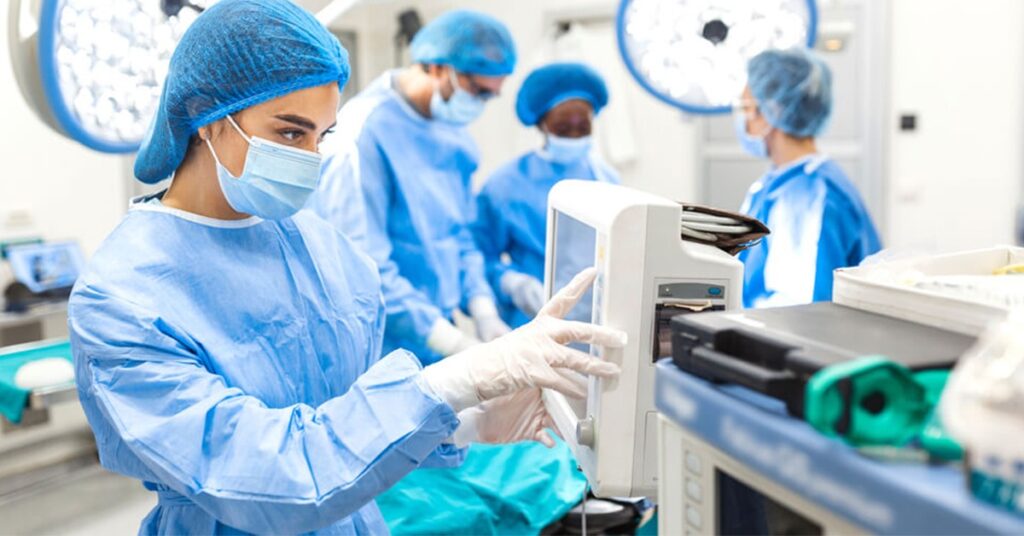
5. Healthcare: 8.2% Workforce Growth Signals Structural Demand
The healthcare workforce has grown at 8.2% annually since 2018, outpacing overall employment growth. The Dubai Health Authority’s digital transformation initiative has created opportunities beyond traditional healthcare delivery.
Medtech innovation, telemedicine platforms, AI diagnostic tools, health data analytics, and specialized wellness centers all represent viable entry points. The 2025 Medtech event brings together regional health investors, indicating capital availability for innovations.
Dubai Healthcare City (DHCC) provides a dedicated ecosystem for medical businesses, while other free zones support health tech and wellness ventures.
Practical advantage: Dubai’s regulatory framework allows faster clinical trial approvals and medical device certifications compared to European or North American bureaucracies.

6. Lab-Grown Diamonds & Colored Gemstones: Riding the $59.2B Transformation
Lab-grown diamonds, projected to reach a $59.2 billion global market by 2032, represent a shift from geological rarity to controlled production. Dubai, already a leading diamond trading hub, is positioning itself at the center of this transition.
Colored gemstones add another dimension, expected to reach $4.64 billion by 2033 with 11.6% CAGR. The combination of bridal jewelry demand and fashion jewelry trends creates dual market exposure.
Dubai Diamond Exchange provides businesses with the world’s largest platform for diamond tenders. Free zones including DMCC, DAFZA, and JAFZA support precious stone businesses with specialized infrastructure.

7. E-Commerce: AED 48.8 Billion Market by 2028
E-commerce in Dubai benefits from 99% internet penetration, high per-capita income, advanced logistics infrastructure, and government policies promoting digital commerce. The market reached AED 27.5 billion in 2023 and is projected to exceed AED 48.8 billion by 2028.
Dubai CommerCity, launched in 2021, is a free zone dedicated entirely to e-commerce operations, offering fulfillment centers and warehousing solutions. Meydan Free Zone, IFZA, and Dubai South also cater to e-commerce businesses with flexible setups.
The opportunity lies in specialized verticals: sustainable products, regional crafts with international appeal, health items, and technology accessories where brand differentiation overcomes platform dominance.
Operational insight: Dubai’s position allows e-commerce businesses to serve the entire Middle East and North Africa region from a single fulfillment base.
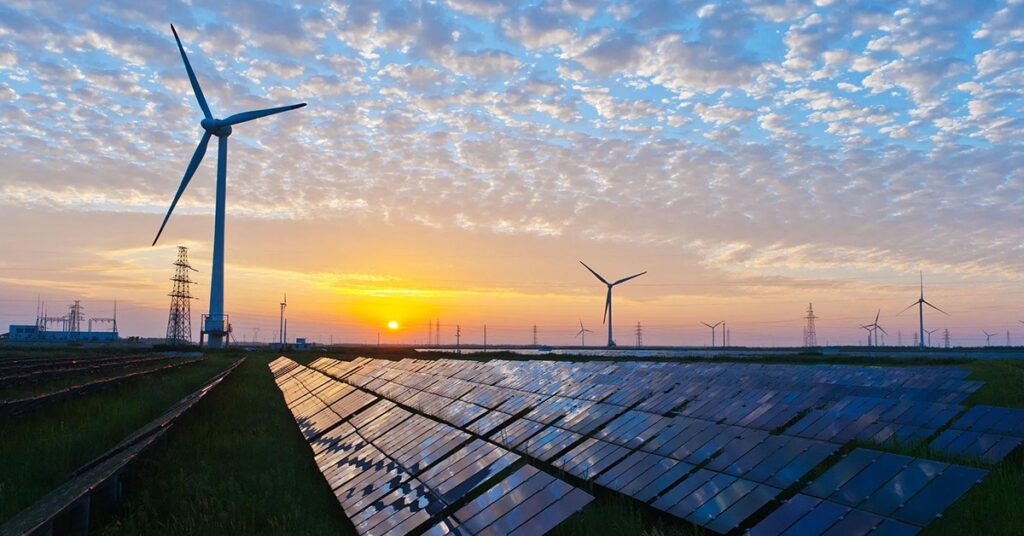
8. Renewable Energy: $54 Billion Investment Backing Real Opportunities
In July 2023, the UAE announced a $54 billion investment in renewable energy by 2030 as part of its net-zero emissions target for 2050. This isn’t environmental posturing—it’s industrial policy with procurement budgets attached.
Solar power generation, energy storage solutions, eco-friendly product manufacturing, and sustainability consulting all benefit from faster approvals and preferential treatment in government contracts.
The business models extend beyond installation. Energy-as-a-service contracts, sustainability certification consulting, carbon credit trading platforms, and green supply chain optimization all represent service businesses with recurring revenue potential.
Dubai Science Park, Sharjah Research Technology and Innovation Park (SRTIP), and other specialized zones support renewable energy ventures.
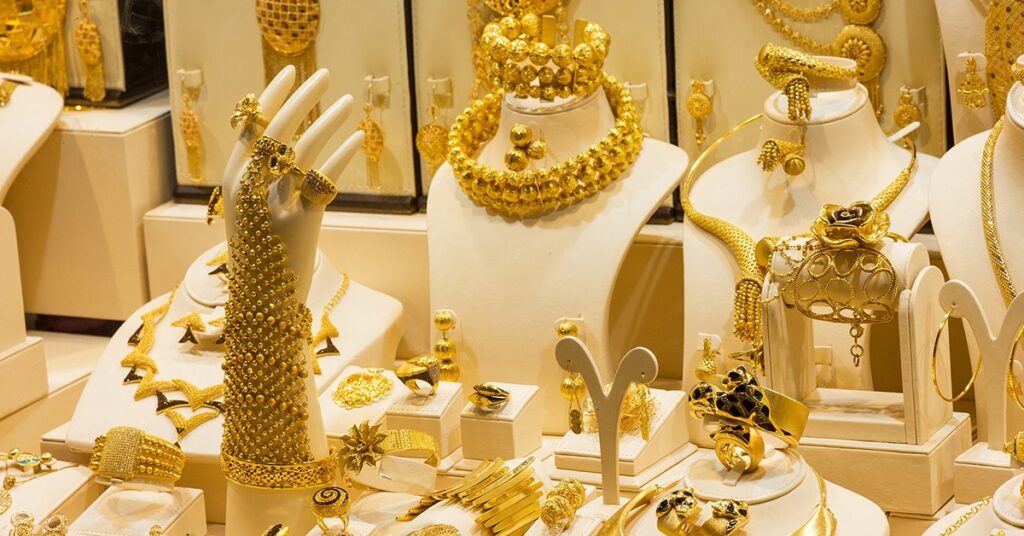
9. Gold: 15% of Global Trade Flows Through Dubai
Dubai handles 15% of total global gold trade, and the UAE is projected to double gold jewelry production over the next five years. The innovation isn’t just in trading volume but in gold-backed digital assets, blockchain-verified supply chains, and specialized jewelry manufacturing.
Multiple free zones support gold businesses, from DMCC’s dedicated precious metals infrastructure to DAFZA’s logistics capabilities and JAFZA’s manufacturing facilities.
Market insight: Gold producers in the UAE saw 15-20% revenue growth in 2024 despite price fluctuations, indicating that value-added services outperform pure commodity exposure.
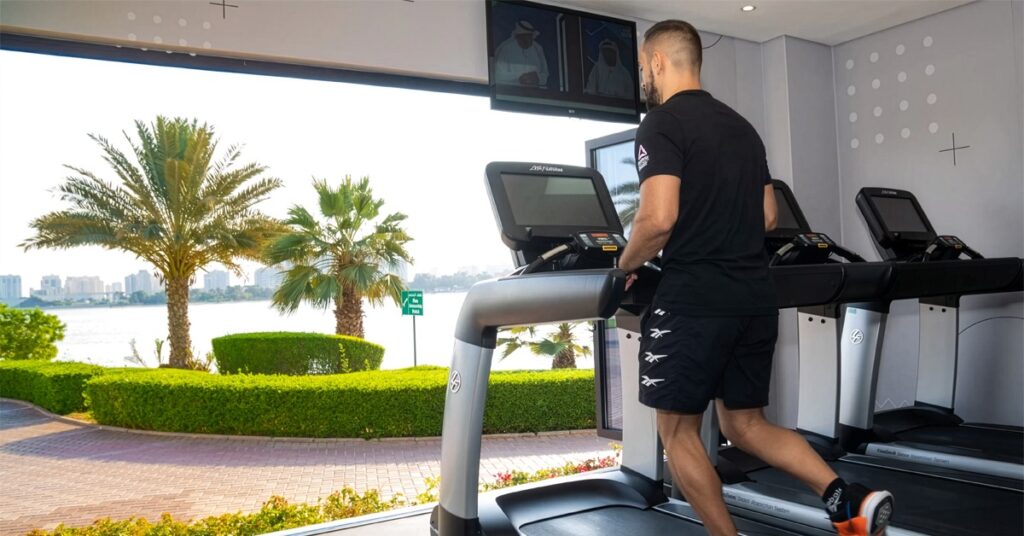
10. Fitness Technology: $281M Market by 2029
Dubai’s fitness technology market is projected to reach $218.30 million in 2025 and grow at 6.53% CAGR through 2029. Dubai’s affluent, health-conscious population actively adopts fitness technology.
Wearable device development, health tracking apps, virtual fitness platforms, AI-driven personal training solutions, and gym integration partnerships all represent viable business models.
The opportunity extends to B2B applications: corporate wellness platforms, insurance-linked health monitoring, and workplace fitness integration.
Dubai Internet City, Meydan Free Zone, and Dubai Knowledge Park support fitness tech ventures with modern infrastructure.
Why These Opportunities Work: The Infrastructure Beneath the Growth
Regulatory acceleration: Dubai’s digitalization means companies can achieve operational status in days rather than months.
Capital accessibility: Free zones offering bundled startup packages compress startup costs. Over 40 free zones in Dubai and across the UAE provide options from AED 5,000 to AED 50,000 for initial setup, depending on location and business type.
Talent availability: Golden Visas, Green Visas, and Remote Work Visas have transformed Dubai’s talent ecosystem. Companies can sponsor key employees with 5-10 year visas.
Market access: Dubai’s geographic position offers 4-5 hour flight access to over 2 billion consumers across the Middle East, Africa, and South Asia.
Strategic Considerations: Matching Opportunity to Capability
Lower capital entry points: E-commerce, consultancy, and fitness technology can launch with AED 15,000-50,000 initial investment in zones like Meydan, IFZA, or Ajman Free Zone.
Medium capital opportunities: Healthcare services, specialized retail, and technology ventures typically require AED 100,000-500,000. Dubai Healthcare City, Dubai Internet City, and Dubai Media City support these businesses.
Higher capital commitments: Import-export operations, renewable energy projects, and manufacturing often require AED 500,000+ due to inventory or infrastructure needs. JAFZA, Dubai South, and KIZAD cater to these ventures.
The choice of mainland versus free zone setup affects both cost and operational flexibility. With over 40 free zones across the UAE, each offering distinct advantages for specific industries, the selection process requires strategic clarity.
Key Takeaways
Business opportunities in Dubai work when three conditions align: genuine market demand, supportive infrastructure, and operator capability.
Dubai offers speed, certainty, and sector-specific support unmatched by most global business hubs. The data is clear: Dubai’s economy is growing, specific sectors receive government backing, and infrastructure supports rapid scaling.
Start with research, not registration. Understand the specific licensing requirements for your chosen sector, evaluate which of the 40+ free zones aligns with your business model, and develop relationships with legal and banking partners before incorporating.
The emirates you encounter in 2026 bear little resemblance to the Dubai of even five years ago. The opportunities lie in the structural transformation of how the region creates wealth. Position accordingly.